CompactLogix Communication Modules

News

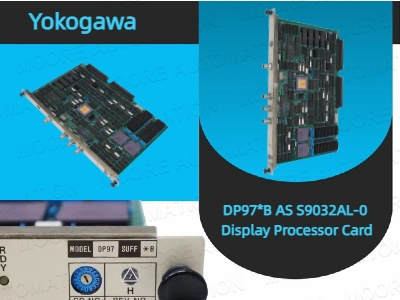
  • Improving Visualization and Control Efficiency: Yokogawa DP97*B AS S9032AL-0 Display Processor Card
    Improving Visualization and Control Efficiency: Yokogawa DP97*B AS S9032AL-0 Display Processor Card
    July 03, 2025

    Introduction In the field of industrial process automation, accurate data visualization and reliable control systems are essential to ensure efficient and safe operation. As one of the global leaders in industrial automation, Yokogawa Electric (Yokogawa) continues to introduce high-end hardware products that meet the demanding needs of modern control environments. Among them, the DP97*B AS S9032AL-0 display processor card plays a vital role in distributed control systems (DCS), enabling real-time data processing and graphic display functions. Advanced Architecture and Core Functions The DP97*B AS S9032AL-0 is a high-performance display processing card designed for Yokogawa CENTUM series control systems. It serves as a data processing bridge between the control processor and the human-machine interface (HMI), and is responsible for outputting graphic data to the display terminal. The card's architecture supports high-speed data transmission and optimized graphics rendering, ensuring that operators can obtain accurate and updated data in real time. Its digital signal processing capabilities enable efficient integration of dynamic graphics, alarms, trend curves, and operating instructions. In addition, the modular design facilitates replacement and maintenance, minimizing downtime in critical application scenarios. High reliability and robust performance in harsh environments The DP97*B display card has excellent durability in industrial scenarios facing harsh environments. It adopts a rugged PCB layout and industrial-grade electronic components, and supports a wide operating temperature range, which can operate stably in high vibration or high temperature environments. In addition, the card has a built-in comprehensive error detection and correction mechanism to ensure system integrity and reduce the risk of data loss and display failure. Its high reliability fully demonstrates Yokogawa's technological advantages in the safety and continuous operation of automation systems. Seamless integration with Yokogawa systems Another major advantage of the DP97*B AS S9032AL-0 is its seamless compatibility with Yokogawa automation systems. It can be directly connected to the field control station (FCS) and the human-machine interface station (HIS), which is a key link in the graphic display system. The card ensures that any changes in control logic or process data are immediately reflected in the operation interface, which helps to improve the operation response speed. In addition, the firmware upgrade and self-diagnosis functions are supported through engineering tools, which further simplifies lifecycle management and operation and maintenance. Conclusion Yokogawa DP97*B AS S9032AL-0 display processor card is an innovative representative in the field of industrial visualization and control. It has the advantages of real-time graphics processing, high reliability and strong system compatibility, providing a solid guarantee for automation control in process i...

    Read More
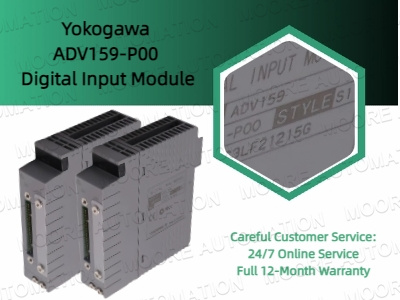
  • Yokogawa ADV159-P00 Digital Input Module: Industrial signal collection and refinement available
    Yokogawa ADV159-P00 Digital Input Module: Industrial signal collection and refinement available
    July 02, 2025

    Introduction In today's industrial automation, it is important to collect digital signals and effectively control the system. Yokogawa ADV159-P00 digital input module with distributed control system (DCS) intermediate high-speed digital signal processing design. Since the imitation has outstanding performance and no combination of features, it has been proposed to be as reliable as possible and extremely fast. The technical features of the main text ADV159-P00, the ability to assemble and the practical use, and the key functions in controlling the process of the chemical industry in its strength. ADV159-P00 technical overview and features ADV159-P00 model is a collection of numerical signals, which can be widely used in support industry environment. We are equipped with multiple entry paths, self-developed sensors, and two-way signals with on-site equipment such as security points. The digital input module has the strong ability to resist electricity, and under the poor industrial environment, it also has the ability to secure the signal. Key technical indicators: Comprehensive fast turnaround time, low power consumption and high distance from the input line, protection control system, free charge system, and complete flexibility of the delivery system. Collection of distributed control system and communication collaboration ADV159-P00 module design and design for Yokogawa's CENTUM VP and other DCS flatbeds, supporting ready-to-use equipment, simplifying the arrangement process and shortening the time. It is possible to imitate and accommodate mainstream communication standards, implement control devices, and replace the upper level system without any restrictions. It is possible to design, organize and arrange transportation, and arrange for engineering staff to adjust demand and import capacity. The various types of integrated ability are guaranteed, and the industrial structure is designed to be able to function, and at the same time maintains the number of completeness and operation efficiency. Advantage for ADV159-P00 module industrial building ADV159-P00 is for use in petrochemical, electric power and manufacturing, etc., where the precision requirements for digital input are extremely high. In order to detect the presence of the police, to use the signal to detect the situation, to provide security, support, and timely planning. The model has outstanding durability, environmental drought resistance ability, and reduced mechanical strength. High-speed import offers high-speed control circuitry, high speed, high quality, and high quality. It is a perfect selection plan for the activation and transmission of the key industry control system. Conclusion Yokogawa ADV159-P00 digital input module allows for high performance, industrial automation digital signal concentration display color. Combining the ability of advance, no combination and fixed design, support and restraint precision, and the system's finality. As the industry continu...

    Read More
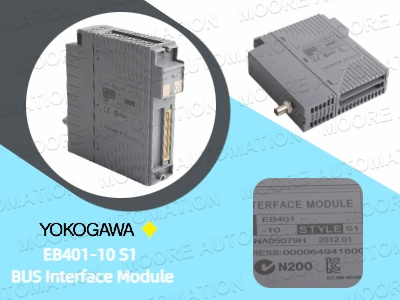
  • Yokogawa EB401-10 S1 Bus Interface Module: A Reliable Choice for Industrial Network Communications
    Yokogawa EB401-10 S1 Bus Interface Module: A Reliable Choice for Industrial Network Communications
    July 01, 2025

    Introduction: What It Is In today's industrial automation environment, the ability to quickly and stably exchange data between devices directly determines the efficiency and reliability of system operations. To meet this demand, Yokogawa has launched the EB401-10 S1 bus interface module, a communication unit specifically designed for the ER bus platform. Measuring only 3.1 × 14.3 × 13 cm and weighing 0.26 kg, the module delivers 10 Mbps data transmission via a BNC interface, with a maximum communication distance of 185 meters. It also consumes only 0.7 A of current during operation, offering excellent energy efficiency. Serving as a bridge in industrial control networks, the EB401-10 S1 connects field devices to distributed control systems, ensuring efficient and stable information transmission. Its modular design allows for seamless integration into existing systems, providing users with a flexible and scalable communication solution. Advantages and Features The EB401-10 S1 offers multiple advantages in industrial applications: Fast Data Exchange Supporting a 10 Mbps communication rate, it enables near-real-time signal transmission. During chemical plant operation, critical parameters such as temperature and pressure can be quickly uploaded to the control end, shortening response time and ensuring more precise control. Long-Distance Transmission Compared to traditional interfaces, which are limited to a few dozen meters, this module supports a transmission range of 185 meters. This allows the control room to directly manage remote equipment, eliminating relay equipment and reducing wiring and maintenance costs. Energy Efficiency Optimization Power consumption management is particularly important in long-term industrial sites. The module requires only 0.7 A of current for stable operation, reducing system energy consumption and heat buildup within the cabinet. Compact Design The module's compact and lightweight design allows for flexible installation, making it easy to deploy even in control cabinets with limited space and facilitating subsequent maintenance. Stable Bus Compatibility The EB401-10 S1 uses a BNC connector, ensuring stable and reliable signal transmission, maintaining a stable connection even in industrial environments subject to strong electromagnetic interference or frequent vibration. These features make this module an ideal choice for users who prioritize communication reliability, efficiency, and energy efficiency. Application Scenarios The EB401-10 S1 serves a variety of industrial sectors: Process Manufacturing In the chemical, pharmaceutical, and petrochemical industries, parameters such as temperature, flow, and pressure require real-time collection. This module rapidly uploads distributed sensor data to ensure stable process operation. Energy and Utilities In power plants and water treatment plants, equipment is often distributed over a wide area. Leveraging its 185-meter transmission capacity, a central system can effecti...

    Read More
  • Yokogawa RS81*B AS S9826AM-0 Interface Module - The Key to Building Stable Industrial Communications
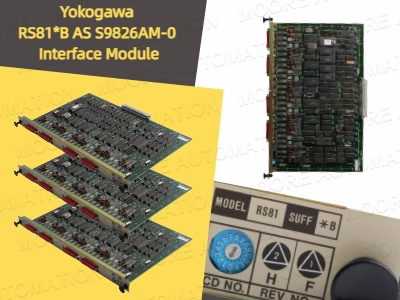
    Yokogawa RS81*B AS S9826AM-0 Interface Module - The Key to Building Stable Industrial Communications
    June 30, 2025

    Introduction In modern industrial systems, stable data exchange between field devices and higher-level monitoring networks has become a core component for ensuring efficiency, improving safety, and enabling real-time monitoring. To meet these communication needs, Yokogawa Electric has introduced the RS81*B AS S9826AM-0 interface module. This module not only supports the RS232C communication standard but is also compatible with a variety of common industry protocols. It operates on a 12–24 V DC power supply and achieves data transfer rates of up to 230 Kbps. Its design emphasizes lightweight, low power consumption, and environmental adaptability, making it an ideal choice for building highly reliable industrial communication networks. Key Advantages 1. Efficient Data Transmission In industrial fields, RS232C remains widely adopted for its reliability and simplicity. The RS81*B, with transmission speeds of up to 230 Kbps, ensures rapid data exchange between control systems and monitoring platforms. For scenarios requiring immediate feedback, such as automated assembly line scheduling and real-time power system monitoring, this performance can significantly reduce latency, enabling management to make decisions faster. 2. Multi-protocol Support and Strong Compatibility The RS81*B module supports multiple communication protocols, including MODBUS, DeviceNet, and CANopen. This feature enables seamless integration between legacy equipment and modern intelligent systems. For businesses, this not only reduces the difficulty of system upgrades or retrofits, but also reduces the additional costs associated with compatibility issues. 3. Energy-Saving and Environmentally Friendly Design With a maximum power consumption of only 1.5 W, the module offers excellent energy savings over long-term operation. For industrial sites requiring the deployment of a large number of communication devices, this feature reduces electricity costs while helping businesses achieve green production and sustainable development goals. 4. Excellent Environmental Adaptability The RS81*B boasts an IP20 protection rating and operates in temperatures ranging from -20°C to +60°C. It also supports a storage temperature range of -40°C to +85°C. This robustness enables it to withstand diverse application environments, from cold outdoor environments to high-temperature workshops, ensuring long-term stable operation of the communication system. 5. Easy Installation and Lightweight Structure Weighing only 0.68 kg, the device is easy to install and maintain. Its compact design reduces the burden on cabinets or rails, making it particularly suitable for industrial applications where space is a concern. Application Scenarios The RS81*B AS S9826AM-0 is designed for a wide range of industries requiring stable data exchange: Smart Manufacturing and Automated Production On production lines, synchronization between equipment determines efficiency. This module enables fast communication between controll...

    Read More
  • A new engine for automated digital output: A comprehensive analysis of Yokogawa ADV561-P10 S1 module
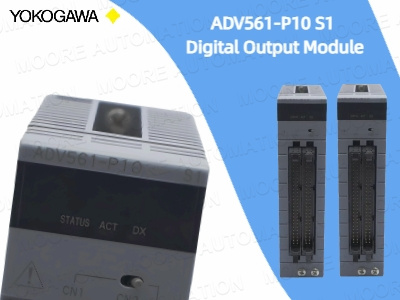
    A new engine for automated digital output: A comprehensive analysis of Yokogawa ADV561-P10 S1 module
    June 27, 2025

    Introduction In today's highly automated industrial system, how to achieve fast and accurate output of digital signals has become the key to ensuring efficient and stable operation of the system. The ADV561-P10 S1 digital output module launched by Yokogawa is a high-performance unit designed for processing discrete signal output. It is not only one of the core components of the CENTUM VP control system, but also undertakes the task of efficient communication with on-site devices such as actuators, solenoid coils and relays. Fast switching capability and stable signal drive The ability to switch at high frequency and achieve precise control is a major technical advantage of the ADV561-P10 S1 module. To meet application scenarios with strict requirements for immediate response, the module provides a standard 24V DC output and has multiple channels with independent electrical isolation, thereby ensuring the overall anti-interference performance of the system. The rugged semiconductor output structure not only reduces signal latency but also significantly improves the response rate of the output signal. This is especially critical in time-sensitive tasks such as sequential control logic, interlock protection, and emergency shutdown. In addition, overload protection mechanisms, short-circuit detection functions, and abnormal indication systems are also integrated to improve the efficiency of system maintenance and effectively reduce the possibility of unexpected downtime. Rugged design for complex environments One of the significant features of the ADV561-P10 S1 module is that it is designed for harsh industrial environments. It uses high-grade industrial components and can operate stably under complex conditions such as high temperature, multiple vibrations, and strong electromagnetic interference. It is widely used in petrochemical, power, and heavy industries. By implementing optoelectronic isolation for each output channel, the module can effectively prevent interference caused by electrical coupling between channels, and also protect the control system from loop faults. It is worth mentioning that the module has complied with many international safety standards and electromagnetic compatibility specifications, so its reliable deployment in critical tasks is fully guaranteed. And its compact and solid appearance design also makes it more flexible and practical in the control cabinet layout. Perfectly integrated into the Yokogawa control system architecture As a component developed specifically for the Yokogawa automation platform, the ADV561-P10 S1 can be quickly connected to FCS (field control station) and HIS (human-machine interface station). All its configuration operations can be achieved with the help of Yokogawa engineering software, so that output instructions can be efficiently assigned to various control modules or logic operation units. Relying on the support of high-speed I/O communication bus, the data transmission between the module ...

    Read More
  • Yokogawa ADV551-P50 S2 digital output module helps industrial control intelligent upgrade
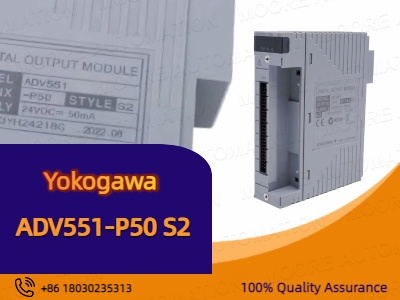
    Yokogawa ADV551-P50 S2 digital output module helps industrial control intelligent upgrade
    June 26, 2025

    Introduction With the continuous evolution of industrial automation technology, accurate and stable output control has become the key to the reliable operation of distributed control systems (DCS). To meet this demand, Yokogawa's ADV551-P50 S2 digital output module came into being. As one of the core components integrated in the CENTUM VP system, it plays a pivotal role in the process manufacturing field with its excellent response speed and stability. Powerful digital output performance The ADV551-P50 S2, equipped with 32 independent output channels, can send 24V DC discrete signals to various actuators (such as solenoid valves, relays and electric components). The single-channel current output capacity of up to 0.5A allows it to directly drive medium-load equipment without the help of intermediate relays. In addition, its fast switching response also provides reliable protection for process processes such as motor drive, alarm system and valve action. It not only has the function of automatic overcurrent and short circuit protection, but also its embedded diagnostic mechanism can continuously detect the status and abnormalities of each output channel, thereby effectively reducing the frequency of equipment maintenance and the risk of system downtime. Deep integration with CENTUM VP The ADV551-P50 S2, which can seamlessly connect with the CENTUM VP control platform, achieves fast communication with the processing unit through the high-speed backplane bus, making the transmission of control instructions more immediate and efficient. It complies with international standards such as IEC 61131-2, making it an industry-leading level in terms of safety and system stability. What is more worth mentioning is that the module can be hot-swapped without interrupting system operation. This kind of flexibility greatly meets the stringent requirements of continuous production industries such as power, chemical, oil and gas for high availability. Stable operation in harsh industrial environments The ability to maintain efficient operation under extreme operating conditions is a major design highlight of the ADV551-P50 S2. It has wide temperature adaptability, and the circuit board surface is covered with a protective coating to enhance its resistance to moisture, dust and corrosion. The seismic resistance and electromagnetic interference suppression capabilities cannot be ignored, allowing it to be stably deployed in various industrial control sites. Especially important: when the system fails, the module can maintain the default output state to ensure that key equipment is in a controlled or safe state - this feature is crucial to ensure personnel safety and prevent equipment damage. Specification Type Number: ADV551-P50 S2 Dimension: 3.2x10.6x13cm Weight: 0.18kg Number of Channels: 32 External Connection: Pressure Clamp Terminal, Dedicated Cable (AKB331), MIL Connector Cable Rated Output Voltage: 24 V DC Maximum load current: 100 mA/channel, 26.4 V Communica...

    Read More
  • Improve control efficiency in complex automation systems with Yokogawa AD5*D DCS modules
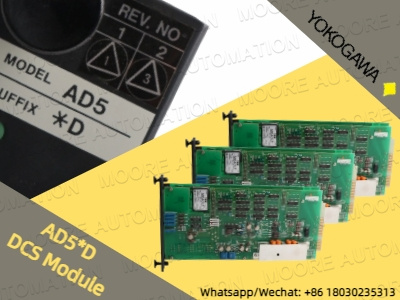
    Improve control efficiency in complex automation systems with Yokogawa AD5*D DCS modules
    June 25, 2025

    Introduction The AD5*D Digital Input/Output Module operates on a wide 9–36 VDC supply, processes signal ranges between -29.999 and +29.999 VDC, and communicates via Modbus RTU. It delivers up to 20 mA per output channel, with a maximum power consumption of 2 W. As process automation continues to advance, the demand for intelligent, high-speed and highly reliable control systems is increasing. Yokogawa's AD5*D DCS modules are designed to improve the performance of distributed control systems (DCS) in critical industrial environments. By implementing real-time data acquisition and deterministic control logic, the module plays a vital role in optimizing plant operations, ensuring safety and improving response speed. Providing advanced control functions for modern industry The AD5*D module is designed to perform complex control tasks with high accuracy and consistency. As part of the Yokogawa CENTUM VP system, it can handle high-precision analog and digital inputs and support application scenarios with strict requirements for real-time feedback and low-latency response. Its rugged architecture ensures data reliability in harsh industrial environments and is widely used in industries such as oil refining, petrochemicals, and power. At the same time, its advanced self-diagnostic function can reduce failure rates and speed up troubleshooting. Seamless integration in distributed control systems A major advantage of the AD5*D module is its flexible, modular design, which can be easily integrated into the existing DCS infrastructure. It supports a variety of industry-standard communication protocols, such as Foundation Fieldbus, Modbus and Profibus, making it compatible with a variety of third-party devices and field instruments. This compatibility helps the scalability of the system and simplifies maintenance operations throughout the plant. In addition, the module supports hot-swap functions, which can be updated and replaced without stopping the system operation, improving the convenience of operation. Driving the improvement of plant performance and operational safety Yokogawa's AD5*D module has significant advantages in improving process efficiency and operational safety. Through real-time process monitoring and safety data processing, the module can reduce operational risks and achieve predictive diagnosis. Its excellent performance enables operators to make timely decisions based on accurate data, thereby reducing downtime and increasing production capacity. Whether in batch manufacturing or continuous process scenarios, the AD5*D module can support intelligent automation strategies that meet the concept of Industry 4.0. Specification Type Number: AD5*D Dimension: 3.5x32x17.6cm Weight: 0.68kg Operating Voltage: 9 to 36 VDC Input Voltage Range: -29.999 to +29.999 VDC Maximum Output Current: 20 mA Power Consumption: Max. 2 W Communication Interface: Modbus RTU Operating Temperature: -20°C to +70°C Enclosure Type: IP20 Mounting Type: DIN rail Conclusio...

    Read More
  • Yokogawa DX11*A S9081BE-0 Duplex Control Card Enables High-Reliability Industrial Control Systems
    Yokogawa DX11*A S9081BE-0 Duplex Control Card Enables High-Reliability Industrial Control Systems
    June 24, 2025

    Introduction As industrial control systems continue to develop towards high complexity and critical task processing, the system has put forward higher requirements for hardware modules with high reliability and strong redundancy. The DX11*A S9081BE-0 duplex control card launched by Yokogawa is a key control component designed for high-availability scenarios. It plays the role of redundant control interface in the Yokogawa DCS system, effectively improving the system's continuous operation capability, and is widely used in industries such as oil and gas, petrochemicals, and electricity that have extremely high requirements for control continuity. Advanced redundant control architecture The most notable feature of DX11*A S9081BE-0 is its duplex architecture design. The control card supports active and standby dual-path control signal transmission. When the main channel fails, the system can automatically switch to the standby channel to ensure uninterrupted communication with the field I/O module. This redundant structure greatly improves the fault tolerance of the control system. The control card can monitor the operating status of the two channels in real time. Once an abnormality is detected in the main channel, it will automatically switch without manual intervention, thus achieving high availability and continuous operation guarantee of the control system. Seamless collaboration with Yokogawa DCS system The card is tailored for Yokogawa control systems (such as CENTUM VP) and can be seamlessly connected to FCS control stations and I/O buses. It communicates with other modules through high-speed serial or parallel buses to achieve high-frequency data exchange, meeting the real-time and synchronization required for process control. At the same time, the control card supports a variety of diagnostic and status reporting functions, and operators can monitor its working status in real time, quickly identify and locate fault points, thereby shortening maintenance time. This design not only improves the maintainability of the system, but also enhances the control of the operating engineer over the system operation. Stable operation in complex industrial environments DX11*A S9081BE-0 adopts industrial-grade design standards and can operate stably in industrial sites with high temperature, high humidity, strong electromagnetic interference and frequent vibration. The card body uses anti-interference and high-insulation components and has undergone multiple rigorous tests to ensure stable performance in harsh environments. In addition, the card is equipped with a voltage mutation protection circuit to effectively resist electrical shock. High resistance to external interference makes it a reliable guarantee in automation environments with extremely high requirements for safety and stability. Conclusion In today's industrial automation field, redundant design has become a standard configuration for key systems. Yokogawa DX11*A S9081BE-0 duplex control ca...

    Read More
1 ... 6 7 8 9 10 ... 32
A total of  32  pages

News & Blogs

  • What Makes Bently Nevada 330930-045-00-05 3300 NSv Extension Cable Essential for Reliable Turbine Monitoring? 13/03

    2026

    What Makes Bently Nevada 330930-045-00-05 3300 NSv Extension Cable Essential for Reliable Turbine Monitoring?
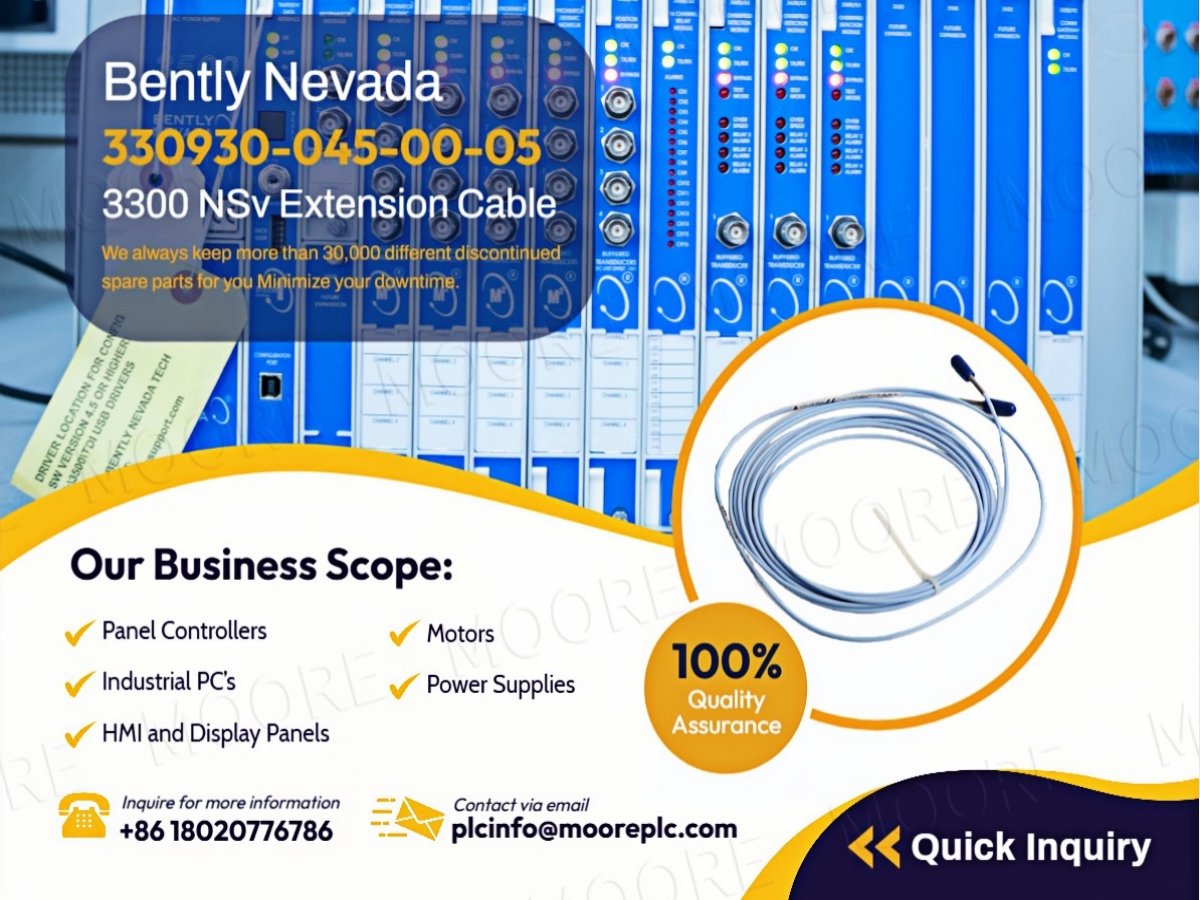
    What Is the Bently Nevada 330930-045-00-05 3300 NSv Extension Cable The Bently Nevada 330930-045-00-05 3300 NSv Extension Cable is a key connection component used in vibration monitoring systems. It links proximity probes to monitoring equipment, allowing accurate transmission of vibration signals from rotating machinery to the monitoring system. For customers operating turbines, compressors, or other high-value rotating assets, maintaining reliable signal transmission is essential for equipment protection. This cable is designed for use within turbine monitoring and condition monitoring environments where precision and reliability are required. As part of the broader ecosystem of TSI spare parts, the extension cable ensures that vibration data collected by probes reaches the monitoring system without signal loss. Stable data transmission is critical for accurate diagnostics and effective predictive maintenance. Why the 4.5-Meter Cable Length Matters for Industrial Installations One of the defining parameters of this model is the 045 cable length option, which equals 4.5 meters (14.8 feet). In many industrial environments, sensors and monitoring racks are not located close together. The additional cable length provides flexibility during installation and allows engineers to route cables safely around turbine housings or protective enclosures. From a customer’s perspective, choosing the correct cable length can prevent installation complications later. When vibration probes are positioned near turbine shafts while monitoring equipment is installed in control cabinets, the 330930 extension cable ensures the connection remains stable. For companies managing complex Turbine Supervisory Instrumentation components, proper cable configuration helps maintain signal integrity and reliable monitoring. How the Non-Armored Cable Option Improves Installation Flexibility The 00 connector and cable option means the cable is supplied without stainless steel armor. This design provides a lighter and more flexible cable structure, making installation easier in environments where mechanical protection is already provided by conduit systems or protected cable trays. For maintenance teams, this flexibility can simplify installation and replacement procedures. When replacing TSI modules or performing routine inspections on turbine monitoring systems, technicians often need cables that are easier to route and handle. The non-armored design allows faster installation while still maintaining the performance required for sensitive monitoring signals. Why Multiple Agency Approvals Matter for Industrial Safety The 05 agency approval option, which represents multiple approvals, is another important feature of the Bently Nevada 330930-045-00-05 cable. Industrial facilities often operate under strict safety and regulatory requirements, especially in sectors such as power generation, oil and gas, and petrochemical processing. For customers operating globally, components with mu...
    All News
  • What Makes the GE IS200DSPXH1DBD DSP Control Board a Game-Changer for Industrial Control? 04/03

    2026

    What Makes the GE IS200DSPXH1DBD DSP Control Board a Game-Changer for Industrial Control?
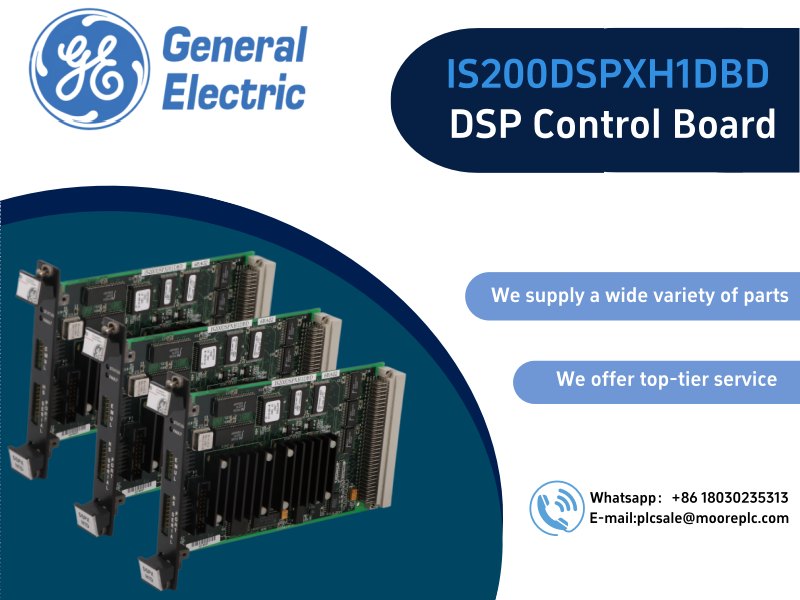
    The GE IS200DSPXH1DBD DSP Control Board is redefining efficiency and reliability in industrial automation. Designed to deliver precise digital signal processing (DSP) capabilities, it addresses the growing demand for high-performance turbine, generator, and industrial machinery control. Its robust architecture ensures seamless integration with existing control systems, minimizing downtime and enhancing overall operational efficiency. Why Upgrading to the IS200DSPXH1DBD Is Critical for Modern Industrial Operations Industries increasingly face challenges such as aging control hardware, unpredictable system performance, and escalating maintenance costs. The IS200DSPXH1DBD offers a forward-looking solution by providing high-speed processing, advanced fault diagnostics, and reliable real-time control. Upgrading to this control board enables predictive maintenance, reduces unscheduled outages, and improves the longevity of critical assets. Where Can the IS200DSPXH1DBD Deliver Maximum Value? This control board is ideal for high-demand industrial environments, including power generation plants, turbine control systems, and complex manufacturing facilities. Its compatibility with distributed control systems (DCS) and integration with other GE control modules makes it suitable for both retrofit projects and new installations. When Is the Right Time to Implement DSP Control Board Upgrades? Operators should consider upgrades during scheduled maintenance cycles, system modernization initiatives, or when performance monitoring indicates frequent operational deviations. Implementing the IS200DSPXH1DBD proactively ensures uninterrupted production and avoids costly emergency replacements. Which Features Set the IS200DSPXH1DBD Apart from Conventional Control Boards? Key differentiators include: ●High-speed DSP processing for real-time control and monitoring ●Advanced fault diagnostics with event logging ●Wide operating temperature range suitable for harsh environments ●Seamless system compatibility with existing control infrastructure ●Long-term reliability reducing lifecycle costs Who Benefits Most from the IS200DSPXH1DBD? Maintenance engineers, plant operators, and industrial system integrators benefit directly from its enhanced performance and diagnostics capabilities. The board also empowers decision-makers by providing actionable operational data that supports efficiency improvements and risk mitigation. How the IS200DSPXH1DBD Helps You Achieve Operational Excellence By integrating the IS200DSPXH1DBD into your control system, you gain: ●Enhanced precision control for turbines and industrial machinery ●Reduced downtime through predictive maintenance alerts ●Simplified troubleshooting with comprehensive diagnostics ●Increased ROI via improved efficiency and asset longevity In an era where industrial systems demand higher performance and reliability, the GE IS200DSPXH1DBD DSP Control Board provides a comprehensive solution that aligns with modern operational cha...
    All News
  • ABB SD822 Power Module: Reliable and Efficient Industrial Power 27/02

    2026

    ABB SD822 Power Module: Reliable and Efficient Industrial Power
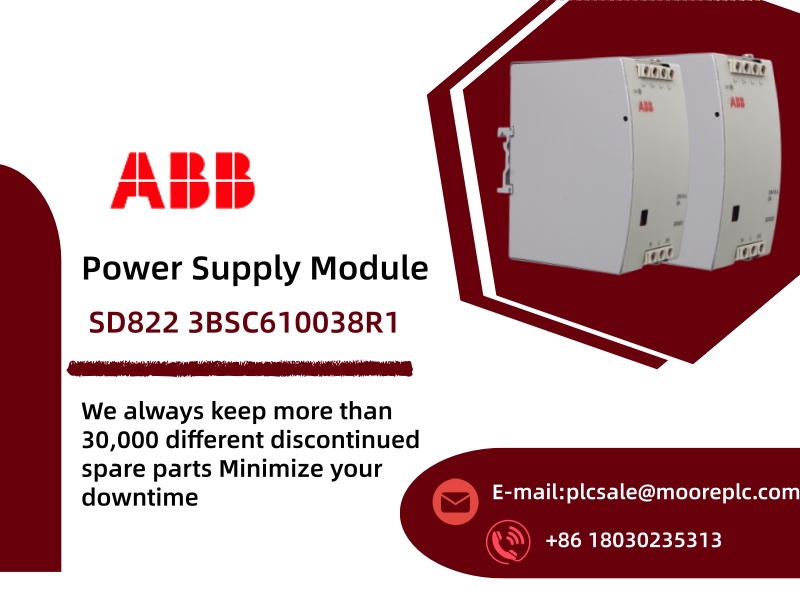
    What Makes the ABB SD822 Power Supply Module a Reliable Choice for Industrial Systems? The ABB SD822 3BSC610038R1 Power Supply Module is engineered to deliver stable, uninterrupted power to industrial control systems, effectively minimizing the risk of unplanned downtime and critical system failures that can lead to substantial production losses. Its robust mechanical and electrical design is built to withstand the harsh conditions of industrial environments—including extreme temperatures, voltage fluctuations, and mechanical vibration—supporting 24/7 continuous operation. This level of durability makes it an ideal power solution for critical infrastructure where reliability is non-negotiable, such as industrial control panels, automation networks, and mission-critical process systems. Why Upgrading to the ABB SD822 Module Improves Operational Efficiency Upgrading to the ABB SD822 module translates to tangible operational efficiency gains, thanks to its advanced voltage regulation technology and comprehensive protection mechanisms. The module’s precision voltage control ensures consistent power delivery to sensitive control components, minimizing energy loss and optimizing the performance of connected systems. Additionally, its built-in protection features reduce the frequency of equipment malfunctions, leading to lower maintenance costs, fewer unexpected operational interruptions, and smoother, more predictable industrial processes. Over time, these benefits translate to improved productivity and a higher return on investment for industrial operations. Where Can the ABB SD822 Module Make the Biggest Impact? The SD822 power supply module excels in power distribution for industrial control centers, process plants, and automated production systems, where uninterrupted power is a prerequisite for safe and efficient operation. It delivers maximum value in high-stakes environments such as chemical processing plants (where power disruptions can cause hazardous material leaks), power generation facilities (critical for grid stability), large-scale manufacturing lines (to avoid costly production halts), and oil & gas refineries (where equipment failure risks operational safety). Its ability to maintain performance in harsh and demanding settings makes it a cornerstone of reliable industrial power infrastructure. When Should You Consider Replacing Your Current Power Supply? Industrial operations should prioritize upgrading to the SD822 module if they experience frequent system resets, inconsistent voltage output, rising maintenance costs, or aging power supply units (typically those older than 5-7 years). Early replacement is a proactive measure to prevent costly unplanned downtime, protect sensitive control equipment from voltage surges or drops, and avoid cascading system failures. Additionally, if your current power supply struggles to meet the increasing power demands of upgraded automation systems, the SD822’s flexible design ensures it can adapt...
    All News
  • Why Choose the ICS Triplex T8461C as Your Critical DCS Digital Output Module? 02/02

    2026

    Why Choose the ICS Triplex T8461C as Your Critical DCS Digital Output Module?
    Why the ICS Triplex T8461C is a Critical DCS Component Maintaining a high-performance Distributed Control System depends on specifying components that guarantee both reliability and precise integration. The ICS Triplex T8461C digital output module meets this need with engineering focused on durability and control accuracy. Partnering with an established DCS module supplier such as ICS Triplex provides access to genuine, high-specification DCS spare parts. Utilizing the T8461C as a primary Distributed Control System replacement part directly supports operational uptime and system resilience in essential industrial applications. Engineered for Stability in Extreme Conditions The operational environment of a DCS can involve significant thermal and humidity fluctuations. The T8461C is designed to perform consistently within a -5°C to 60°C operating range and can withstand non-operational exposure from -25°C to 70°C. Its performance remains unaffected across a 5% to 95% non-condensing humidity spectrum. This environmental toughness makes it a dependable choice for outdoor installations, unregulated industrial spaces, or any setting where control hardware faces physical stress, thereby reducing failure rates and lifecycle costs. Configurable Voltage Supports Diverse Field Devices A key operational advantage of the T8461C is its wide 18V to 60V DC output range. This adjustability allows a single module type to interface with various actuators, solenoids, and other industrial loads. The benefit is a simplified control cabinet design, reduced need for multiple specialty modules, and a more streamlined inventory of critical Distributed Control System replacement parts. This versatility makes it applicable across different stages of a process or within facilities that operate mixed equipment types. High-Fidelity Control Through Signal Isolation For multi-channel digital output modules, preventing cross-talk is essential to maintain command integrity. The T8461C provides superior isolation, with crosstalk suppression exceeding -40dB. This ensures that signals on individual channels do not interfere with each other, a critical feature for complex sequencing, safety interlocking, and precise timing in automated processes. Such signal clarity is indispensable in sectors like pharmaceuticals or energy management, where output accuracy is non-negotiable. A Strategic Source for System Sustainment Choosing a dedicated DCS module supplier is a long-term decision for system health. ICS Triplex manufactures the T8461C to meet rigorous standards for interoperability and endurance, making it a trustworthy DCS spare parts selection. Implementing this module is a proactive measure that extends the service life of your control architecture, safeguards production consistency, and optimizes total cost of ownership. Industry-Specific Implementations The module's robust feature set makes it suitable for critical sectors: Power Generation: Controls turbine auxiliary systems, pu...
    All News
  • Which Automation Spare Parts Are Most Critical for Smart Factory Operations? 11/03

    2026

    Which Automation Spare Parts Are Most Critical for Smart Factory Operations?
    Why Automation Spare Parts Are Critical for Smart Factory Stability Today's manufacturing floors rely on networks of devices working together under tight coordination. A failure in one location can create delays that spread across the entire facility. Keeping selected automation spare parts onsite gives technicians the ability to replace failed units immediately. This approach reduces unplanned stoppages and helps factories maintain the output levels expected by their customers. Which Automation Components Should Be Prioritized in Spare Parts Planning Building an effective spare parts inventory starts with identifying components that appear in critical control paths. Items like programmable controllers, signal interfaces, and power distribution units typically belong in this category. For plants using turbines or large compressors, TSI spare parts are equally essential. These components deliver real-time measurements that operators depend on to evaluate machinery condition and adjust operating parameters. How TSI Spare Parts Support Equipment Monitoring and Safety Large rotating machines require continuous oversight to operate safely over long periods. Turbine Supervisory Instrumentation components track parameters such as shaft displacement, casing vibrations, and rotational speed. When monitoring hardware fails, engineers lose access to this important information. Maintaining spare TSI modules onsite ensures that monitoring capabilities can be restored promptly, allowing operations to continue with full awareness of machine status. Where Businesses Can Source Reliable Automation Spare Parts The best inventory plan loses value if replacement parts cannot be obtained when needed. Many manufacturers face delays because regular distributors do not stock specialized components. Suppliers with expertise in automation spare parts and specific knowledge of Turbine Supervisory Instrumentation components offer a practical solution. These organizations typically maintain broader networks and can locate TSI modules more efficiently than general industrial suppliers. How Smart Spare Parts Management Reduces Downtime Observing patterns in equipment failures provides useful guidance for inventory planning. By examining past repairs, maintenance teams can determine which automation spare parts should be kept available. Including TSI spare parts in this analysis protects monitoring systems from extended downtime when modules fail unexpectedly. This approach moves beyond guesswork and creates a reliable framework for maintaining production continuity. Conclusion Smart factory operations depend on both advanced technology and practical preparation. Maintaining a thoughtful selection of automation spare parts, particularly TSI modules for critical machinery monitoring, gives facilities the ability to respond quickly when problems arise and keep production moving forward. Hot Recommendations IC693CHS398 330180-91-05 MGC600-CPU HIEE300867R0001 PPB022 DE 330130-040-0...
    All Blogs
  • How ABB Automation Ensures Reliability, Safety, and Seamless Modernization? 04/03

    2026

    How ABB Automation Ensures Reliability, Safety, and Seamless Modernization?
    Ensuring Continuous Industrial Reliability ABB’s automation solutions deliver dependable performance for high-stakes industrial operations. Their robust design and real-time monitoring capabilities ensure that critical processes continue without interruption, even under extreme load or environmental conditions. Customers benefit from reduced unplanned downtime, enhanced process stability, and greater confidence in meeting operational targets. The system’s built-in diagnostics also help teams quickly identify and resolve potential issues before they escalate into costly failures. Seamless Upgrades for Aging Automation Systems Aging automation infrastructure is a common concern for many industrial facilities. ABB addresses this by providing long-term support and seamless integration with legacy equipment, allowing plants to upgrade control modules without needing a full system replacement. Certified ABB spare parts and backward-compatible modules ensure older systems remain fully operational, extend their lifecycle, and reduce capital expenditure. Customers gain a safer, cost-effective path to modernization without compromising system reliability. Intelligent Redundancy to Prevent Production Interruptions Unexpected production stoppages can have significant financial and operational impacts. ABB’s automation platforms feature advanced redundancy and fault-tolerant designs, enabling continued operation during maintenance, component replacement, or partial system failures. By maintaining uninterrupted workflows, these systems minimize operational risk, reduce recovery time, and provide plant operators with peace of mind that critical processes remain stable. Simplifying Spare Parts and Maintenance Planning Managing automation spare parts, especially for older or discontinued systems, can be complex and time-consuming. ABB simplifies this process with certified, ready-to-install modules that maintain performance consistency and compliance with safety standards. Customers experience predictable maintenance cycles, reduced emergency orders, and streamlined inventory management, ensuring that both routine operations and emergency interventions can be executed efficiently. Phased Modernization Without Operational Disruption Many industrial facilities prefer incremental upgrades rather than complete system overhauls to maintain continuous operations. ABB supports phased modernization, allowing individual automation controllers and modules to be upgraded independently. This approach enables facilities to adopt new technology at a controlled pace, enhance process safety and efficiency, and integrate advanced analytics or IoT capabilities, all without halting production or disrupting workflow. Key Industries Leveraging ABB Automation ABB’s industrial automation solutions are trusted across sectors where uptime, precision, and safety are critical. Key industries include: ●Oil & Gas: Upstream, midstream, and downstream operations requiring high availability...
    All Blogs
  • Schneider Electric’s AI Journey: From Lighthouse Factory to Industry Impact 27/02

    2026

    Schneider Electric’s AI Journey: From Lighthouse Factory to Industry Impact
    What is Schneider Electric's "Technology+Scenario" AI Dual Wheel Path? Schneider Electric is promoting the widespread application of artificial intelligence (AI) technology in industrial manufacturing, energy management, and operational scenarios, using "technological innovation+industry scenario implementation" as the dual engine to accelerate the digital transformation of physical industries. The company builds AI solutions through technology research and development, ecological collaboration, and practical scenarios, which not only improve efficiency, reliability, and sustainability, but also create practical value for customers. Schneider Electric's AI strategy not only focuses on algorithm research and development, but also emphasizes deep integration with industrial applications to form replicable industry solutions, allowing customers to quickly understand the actual value of technology implementation.   Why - Why adopt the "technology+scenario" path? In industrial enterprises, the introduction of AI can help companies deal with the complexity and uncertainty of the production process, such as predictive maintenance, energy efficiency optimization, and quality control issues. General AI models are often difficult to directly meet industry needs, so Schneider Electric adopts a "technology+scenario" strategy, closely integrating AI capabilities with specific business scenarios to truly improve production efficiency, reduce energy consumption, and achieve sustainable development, providing customers with practical and feasible solutions while reducing the maintenance pressure of traditional systems.   Where - What key industry scenarios does AI technology cover? Schneider Electric's AI implementation covers intelligent manufacturing, energy management, data center and building management, as well as supply chain and research and development processes. In the context of intelligent manufacturing, AI drives predictive maintenance and production process optimization to improve production line efficiency and equipment reliability. In the field of energy management, machine learning models optimize energy consumption, reduce energy waste, and improve overall system efficiency. In data centers and building management, AI technology optimizes intelligent cooling and power scheduling, simultaneously improving efficiency and sustainability. In the supply chain and research and development stages, AI algorithms are used to optimize design processes and scheduling strategies, improve overall operational efficiency and response speed, and enable customers to achieve quantifiable benefits in each stage.   When - What stage has Schneider Electric's AI landing entered? In recent years, Schneider Electric's AI strategy has entered the stage of scale implementation from the exploration pilot phase. At the recent World Artificial Intelligence Conference (WAIC 2025), the company showcased multiple AI achievements, including smart factory practice...
    All Blogs
  • How HIMA is Integrating AI to Enhance Industrial Safety Systems 04/02

    2026

    How HIMA is Integrating AI to Enhance Industrial Safety Systems
    How AI Enhances Predictive Maintenance Integrating artificial intelligence into safety systems offers significant predictive maintenance benefits. By evaluating real-time sensor and controller information, HIMA’s AI technology can detect early indicators of equipment deterioration or possible malfunctions. This foresight enables maintenance teams to schedule replacements for critical DCS modules ahead of time, avoiding unplanned breakdowns. Such a strategy decreases urgent repairs and limits operational halts. A dependable DCS module supplier plays a vital role by ensuring that necessary Distributed Control System replacement parts are in stock whenever AI forecasts a need, connecting predictive analytics with seamless part procurement. Improving Real-Time Decision Making In high-risk industrial settings, making fast and accurate decisions is crucial. HIMA’s AI continuously scans operational data, offering clear and timely warnings about abnormal situations. This allows personnel to act swiftly, containing potential hazards before they develop into major incidents. Quick access to DCS spare parts further supports this responsiveness, as any compromised components can be exchanged without delay, keeping safety systems fully functional and reducing downtime. Optimizing Operations With AI-Driven Safety Solutions Beyond reinforcing protection, AI helps streamline overall plant performance. HIMA’s solutions observe process variations, track regulatory adherence, and suggest operational refinements. As a result, facilities can boost output while upholding strict safety protocols. Maintaining a relationship with a reliable DCS module supplier ensures that DCS spare parts are available when AI-based monitoring identifies a requirement, allowing prompt maintenance and sustained productivity. Enhancing Long-Term Cost Savings AI-enhanced safety systems contribute to considerable financial savings over time. They lower unexpected stoppages, reduce costly emergency fixes, and prolong the service life of important machinery. Moreover, constant AI surveillance aids in meeting industry safety standards, safeguarding both workers and infrastructure. Partnering with a trusted DCS module supplier guarantees that Distributed Control System replacement parts are easily obtainable, supporting continuous, safe, and cost-effective production while improving return on investment. Conclusion HIMA’s adoption of AI provides clients with strengthened predictive upkeep, instant decision aids, process improvement, and economic advantages. When paired with consistent access to DCS spare parts and Distributed Control System replacement parts via a reputable DCS module supplier, these innovations assist industries in running safer, more efficient, and uninterrupted operations. Hot Recommendations 3500/42M 140734-02 133323-01 1763-L16BWA 149992-01 3500/15 106M1079-01 1756-L84E 3500/05-01-02-00-00-00 ADV551-P10 S2 330101-00-11-10-02-00 NPBU-42C 64011821D AAI841-H00 S2 DSDI120AV1 3B...
    All Blogs
leave a message
If you are interested in our products and want to know more details,please leave a message here,we will reply you as soon as we can.
submit

Our hours

Mon 11/21 - Wed 11/23: 9 AM - 8 PM
Thu 11/24: closed - Happy Thanksgiving!
Fri 11/25: 8 AM - 10 PM
Sat 11/26 - Sun 11/27: 10 AM - 9 PM
(all hours are Eastern Time)
Contact Us:+86 18020776786

Home

Products

whatsApp

Contact Us