CompactLogix Communication Modules

News

  • The ABB HIEE320639R1 DC-DC Converter Module: Powering Industrial Innovation
    The ABB HIEE320639R1 DC-DC Converter Module: Powering Industrial Innovation
    March 18, 2025

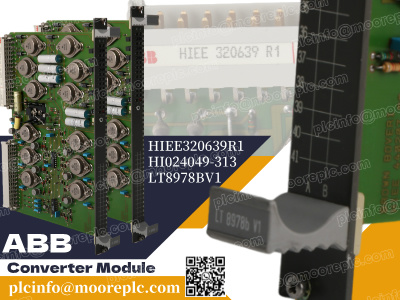
    Introduction to the ABB HIEE320639R1 DC-DC Converter Module In today’s fast-paced industrial landscape, reliable power conversion is critical for ensuring seamless operations. The ABB HIEE320639R1 HI024049-313 LT8978BV1 DC-DC Converter Module is a cutting-edge solution designed to meet the demanding power needs of modern industries. Whether it’s industrial automation, renewable energy, or railway systems, this high-performance module delivers stable and efficient power conversion, making it a cornerstone of ABB’s power electronics ecosystem. Key Features of the ABB HIEE320639R1 Module The ABB HIEE320639R1 stands out for its advanced engineering and robust design. Here are some of its standout features: High Efficiency: With an efficiency rating of ≥95%, this module minimizes energy loss, making it ideal for industrial applications where power optimization is crucial. Bidirectional Power Flow: Depending on configuration, the module supports both bidirectional and unidirectional power flow, offering flexibility for diverse applications. Thermal Management: Advanced thermal management ensures reliable performance even in high-temperature environments. Compact Design: Its modular and compact form factor simplifies installation in control cabinets, energy storage systems, and distributed power networks. Technical Specifications at a Glance The ABB HIEE320639R1 is packed with impressive technical capabilities: Input Voltage Range: 48–120V DC (adjustable via configuration). Output Voltage: 12–96V DC (programmable and isolated). Maximum Output Current: 30A (continuous, dependent on cooling conditions). Power Rating: Up to 2.88 kW (at 96V/30A). Isolation Voltage: 1500V DC, ensuring safety and reliability. Environmental Resilience: Operates in temperatures ranging from -40°C to +85°C and withstands humidity levels of 5% to 95% non-condensing.  Why Choose the ABB HIEE320639R1? When it comes to power conversion, the ABB HIEE320639R1 offers unmatched reliability and performance. Its compliance with industrial standards, robust overload protection, and ability to operate in harsh environments make it a trusted choice for engineers and system integrators. Additionally, its seamless integration with ABB’s broader power electronics ecosystem ensures compatibility and scalability for future upgrades. Conclusion The ABB HIEE320639R1 HI024049-313 LT8978BV1 DC-DC Converter Module is more than just a power conversion device—it’s a catalyst for industrial innovation. With its high efficiency, advanced features, and adaptability across industries, this module is setting new standards for power reliability and performance. Whether you’re managing an industrial automation system or a renewable energy project, the ABB HIEE320639R1 is the ultimate solution for your power conversion needs.

    Read More
  • The SPBRC410 Bailey Infi 90 Bridge Controller: A Comprehensive Guide for Modern Industrial Automation
    The SPBRC410 Bailey Infi 90 Bridge Controller: A Comprehensive Guide for Modern Industrial Automation
    March 17, 2025

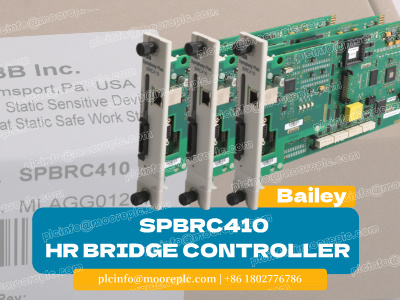
    What is the SPBRC410 Bailey Infi 90 Bridge Controller? The SPBRC410 Bailey Infi 90 Bridge Controller is a cutting-edge industrial automation device designed to facilitate seamless communication and control within complex systems. It serves as a critical component in Harmony Rack and Symphony Plus environments, enabling efficient data exchange and process management. With its advanced Modbus TCP interface, this bridge controller ensures compatibility with modern industrial networks, making it a versatile solution for a wide range of applications. Key Features of the SPBRC410 Bridge Controller The SPBRC410 Bridge Controller stands out due to its robust features, which include: Modbus TCP Interface: This feature allows for easy integration with existing industrial networks, ensuring smooth communication between devices. Compatibility with INFI90 Systems: Designed to work seamlessly with Bailey INFI90 systems, it enhances the functionality of legacy equipment. High Reliability: Built for industrial environments, the SPBRC410 is known for its durability and consistent performance. Scalability: Whether you're managing a small system or a large-scale operation, this bridge controller can be scaled to meet your needs. Applications of the SPBRC410 in Industrial Automation The SPBRC410 Bridge Controller is widely used in industries such as power generation, oil and gas, and manufacturing. Its primary applications include: Process Control: Ensuring precise control over industrial processes to maintain efficiency and safety. Data Acquisition: Collecting and transmitting critical data for monitoring and analysis. System Integration: Bridging the gap between legacy systems and modern networks, enabling seamless operation. Benefits of Using the SPBRC410 Bridge Controller Implementing the SPBRC410 Bridge Controller in your industrial setup offers numerous advantages: Enhanced Communication: The Modbus TCP interface ensures reliable and fast data exchange. Cost-Effective Solution: By extending the life of existing INFI90 systems, it reduces the need for costly upgrades. Improved Efficiency: Streamlined processes and better data management lead to increased productivity. Future-Proofing: Its compatibility with modern protocols ensures your system remains relevant as technology evolves. Installation and Maintenance Tips for the SPBRC410 To maximize the performance and lifespan of your SPBRC410 Bridge Controller, consider the following tips: Professional Installation: Ensure the device is installed by certified technicians to avoid compatibility issues. Regular Updates: Keep the firmware and software up to date to benefit from the latest features and security patches. Routine Inspections: Periodically check the controller for signs of wear or damage, especially in harsh industrial environments. Documentation: Maintain detailed records of installation, configuration, and maintenance activities for future reference. Conclusion The SPBRC410 Bailey Infi 90 Bridge Contro...

    Read More
  • Understanding the GE DS200TCCAG1BAA I/O TC2000 Analog Board: A Comprehensive Guide
    Understanding the GE DS200TCCAG1BAA I/O TC2000 Analog Board: A Comprehensive Guide
    March 14, 2025

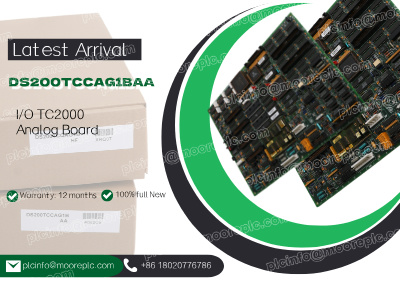
    Introduction to the GE DS200TCCAG1BAA I/O TC2000 Analog Board The GE DS200TCCAG1BAA is a critical component of the TC2000 I/O Analog Board, designed to function seamlessly within the Mark V Series assembly. This printed circuit board (PCB) is engineered to support a variety of hardware components and specifications, making it a versatile and reliable choice for industrial automation systems. Whether you're a technician, engineer, or simply someone interested in industrial hardware, understanding the features and functionality of this board can provide valuable insights into its role in modern automation. Key Features of the DS200TCCAG1BAA Board The DS200TCCAG1BAA board boasts several notable features that enhance its performance and usability. At its core is an 80196 microprocessor, which serves as the brain of the board, processing instructions and managing operations. Additionally, the board includes multiple programmable read-only memory (PROM) modules, which store essential firmware and instructions for the microprocessor and programmable logic device. These PROMs can be erased and reprogrammed, allowing for updates and customization as needed. The board also features one LED, visible from the side, which provides status indications for easy monitoring. Furthermore, it includes two 50-pin connectors, labeled JCC and JDD, which facilitate communication and data transfer within the system. These connectors are designed to work with specific Mark V Series products and transmit designated signals, ensuring compatibility and efficiency. The Role of PROM Modules in the DS200TCCAG1BAA Board The programmable read-only memory (PROM) modules on the DS200TCCAG1BAA board play a crucial role in its operation. These modules store firmware and instructions that guide the microprocessor and programmable logic device. The ability to erase and reprogram the PROMs makes the board adaptable to changing requirements and technological advancements. This flexibility is particularly valuable in industrial settings, where systems often need to be updated or reconfigured to meet new demands. Connectors and Their Functions The DS200TCCAG1BAA board is equipped with two 50-pin connectors, JCC and JDD, each serving a specific purpose. These connectors are named based on their factory-printed labels, compatibility with Mark V Series products, and the signals they transmit. Their design ensures seamless integration with other components in the Mark V Series assembly, enabling efficient data transfer and communication. It’s worth noting that the board also includes a JEE connector, which is considered a vestigial structure. This connector is not intended for use during normal operation and remains unaccessed in the board's standard functionality. Its presence is a remnant of earlier designs, highlighting the board's evolution over time. Applications of the DS200TCCAG1BAA Board in Industrial Automation The GE DS200TCCAG1BAA I/O TC2000 Analog Board is widely used in industrial...

    Read More
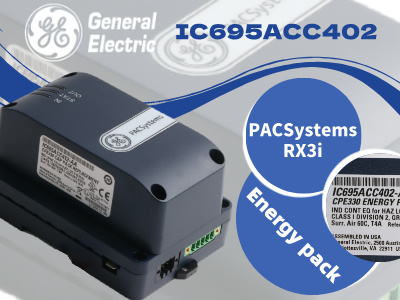
  • Understanding the GE IC695ACC402 PACSystems RX3i Energy Pack: A Reliable Solution for Power Fluctuations
    Understanding the GE IC695ACC402 PACSystems RX3i Energy Pack: A Reliable Solution for Power Fluctuations
    March 13, 2025

    What is the GE IC695ACC402PACSystems RX3i Energy Pack? The GE IC695ACC402 PACSystems RX3i Energy Pack is a specialized component designed to work exclusively with the CPE330 RX3i CPU. Its primary function is to safeguard user memory within the controller during power fluctuations or outages. By ensuring that critical data is preserved, the Energy Pack plays a crucial role in maintaining system integrity and preventing data loss in industrial automation environments. How Does the Energy Pack Work? When system power is lost, the Energy Pack steps in to provide temporary power to the CPE330 CPU. This allows the CPU to write its user memory contents to non-volatile memory, ensuring that no data is lost during the outage. Once system power is restored, the user memory is automatically reloaded if the CPE330 is configured to power up from RAM. This seamless transition minimizes downtime and ensures continuous operation of your system. Key Features of the ACC402 Energy Pack Dedicated Connection: The Energy Pack connects to the IC695CPE330 CPU via a specialized cable (IC695CBL002), which facilitates both power sourcing and status monitoring. Automatic Power Switching: In the event of a power loss, the CPU automatically switches to the Energy Pack as its power source, ensuring an orderly shutdown process. Backplane Power Utilization: The Energy Pack charges its circuitry using power from the RX3i backplane, making it an efficient and integrated solution. Applications of the ACC402 Energy Pack The GE IC695ACC402 Energy Pack is ideal for industrial environments where power stability is a concern. It is commonly used in manufacturing plants, energy systems, and other critical infrastructure where even a brief power interruption can lead to significant operational disruptions. By preserving user memory and ensuring a smooth recovery process, the Energy Pack helps maintain productivity and system reliability. Why Choose the ACC402 Energy Pack? Reliability: Designed specifically for the CPE330 CPU, the Energy Pack offers a dependable solution for power-related challenges. Ease of Integration: The dedicated cable and automatic switching features make it easy to incorporate into existing systems. Data Protection: By safeguarding user memory, the Energy Pack ensures that critical data is never lost, even during unexpected power outages. Conclusion The GE IC695ACC402 PACSystems RX3i Energy Pack is an essential component for any system utilizing the CPE330 CPU. Its ability to preserve user memory during power fluctuations or outages ensures uninterrupted operation and data integrity. Whether you're managing a manufacturing plant or an energy system, the ACC402 Energy Pack provides the reliability and peace of mind you need to keep your operations running smoothly. Invest in this innovative solution to protect your system and enhance its performance.

    Read More
  • Honeywell FE-USI-0002 V1.0 Universal Safety Interface Module: A Comprehensive Guide
    Honeywell FE-USI-0002 V1.0 Universal Safety Interface Module: A Comprehensive Guide
    March 12, 2025

    What is the Honeywell FE-USI-0002 V1.0 Universal Safety Interface Module? The Honeywell FE-USI-0002 V1.0 Universal Safety Interface (USI) Module is a cutting-edge communication module designed to facilitate seamless integration between external devices and Honeywell’s safety and control systems. This module is a critical component in industrial automation, enabling Ethernet and Serial communication with systems like Experion™ PKS and Safety Builder. It is housed within the Controller chassis and serves as a robust hardware firewall, safeguarding the safety functions of Safety Manager. The FE-USI-0002 is engineered to handle multiple demanding communication protocols simultaneously, thanks to its enhanced protective capabilities and high internal memory. Whether you’re managing complex safety systems or integrating external devices, this module ensures reliability, security, and efficiency. Key Features of the FE-USI-0002 V1.0 Module The Honeywell FE-USI-0002 V1.0 Universal Safety Interface Module is packed with advanced features that make it a standout choice for industrial applications. Here are some of its key features: Dual Communication Capabilities: Supports both Ethernet and Serial communication, making it versatile for various industrial environments Hardware Firewall: Acts as a protective barrier, ensuring the safety functions within Safety Manager remain secure from external threats. High Internal Memory: Equipped with 8 MB Flash memory and 8 MB Local SRAM, allowing it to run multiple communication protocols in parallel without compromising performance. Error Detection and Correction: The Local SRAM includes Error Detecting and Correcting (EDC) logic, ensuring data integrity and system reliability. Dual-Speed Ethernet Transceivers: Features two dual-speed fast Ethernet transceivers for high-speed data transfer. General-Purpose Serial Channels: Includes two general-purpose serial communication controller channels for flexible connectivity. Technical Specifications and Components The FE-USI-0002 V1.0 module is built with state-of-the-art components to deliver optimal performance. Here’s a breakdown of its technical specifications and internal components: Processor: Powered by a Motorola 8270 communication processor, ensuring efficient data handling and processing. Memory: EEPROM: Stores module-specific data, such as MAC addresses and hardware revision numbers. 8 MB Flash Memory: Stores the system and application programs. The flash content is copied to SRAM during startup and executed from there. It can be updated without removing the module from the chassis. 8 MB Local SRAM: Used for system and application programs, featuring Error Detecting and Correcting (EDC) logic for enhanced reliability. 256 KB Shared RAM: Facilitates data exchange between the USI-0002 module and the Control Processor. Communication Interfaces: Two dual-speed fast Ethernet transceivers for high-speed connectivity. Two general-purpose serial communication controller ...

    Read More
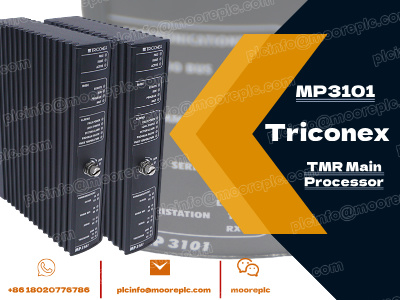
  • Understanding the Triconex MP3101 Trident Redundant Processor Module: A Comprehensive Guide
    Understanding the Triconex MP3101 Trident Redundant Processor Module: A Comprehensive Guide
    March 11, 2025

    Introduction to the Triconex MP3101 Trident Redundant Processor Module The Triconex MP3101 Trident Redundant Processor Module is a high-performance, reliable, and robust processor module designed for critical industrial applications. Manufactured by Triconex, a trusted name in safety and control systems, the MP3101 is engineered to deliver exceptional processing power and redundancy, ensuring uninterrupted operation in demanding environments. This module is widely used in industries such as oil and gas, power generation, and chemical processing, where system reliability and safety are paramount. Key Features of the MP3101 Processor Module The Triconex MP3101 boasts an impressive array of features that make it a standout choice for industrial control systems. At its core, the module is powered by dual Motorola MPC860 processors, each running at 32-bit and 50 MHz. This dual-processor design ensures redundancy and fault tolerance, critical for maintaining system integrity. The module includes 6 MB of Flash PROM for storage of SX, 10X, and control applications, protected by CRC for data integrity. It also features 16 MB of DRAM for SX control application execution and program storage, along with 8 KB of NVRAM for retentive variables. Additionally, the MP3101 is equipped with 16 MB of DRAM for 10X execution and 128 KB of shared memory for seamless communication between processors. Technical Specifications and Performance The Triconex MP3101 is designed to operate efficiently under a wide range of conditions. It supports a nominal input voltage of 24V DC, with an operational voltage range of 19.2V to 30V DC, including a 5% AC ripple tolerance. This flexibility ensures stable performance even in environments with fluctuating power supplies. The module has a maximum logic power consumption of 8 W, making it energy-efficient while delivering high processing power. It can withstand an absolute maximum input voltage of 33V DC and a reverse input voltage of -0.6V DC, ensuring durability and protection against electrical anomalies. Applications of the MP3101 in Industrial Settings The Triconex MP3101 is ideally suited for applications where system reliability and safety are non-negotiable. Its redundant processor design and robust memory architecture make it a perfect fit for: Safety Instrumented Systems (SIS): Ensuring fail-safe operation in critical processes. Process Control Systems: Managing complex industrial processes with precision. Emergency Shutdown Systems (ESD): Providing rapid and reliable shutdown capabilities in emergencies. Fire and Gas Detection Systems: Monitoring and responding to hazardous conditions in real-time. Conclusion The Triconex MP3101 Trident Redundant Processor Module is a powerful, reliable, and versatile solution for industrial control and safety systems. Its advanced features, robust design, and exceptional performance make it an ideal choice for industries that demand the highest levels of reliability and safety. Whether you’...

    Read More
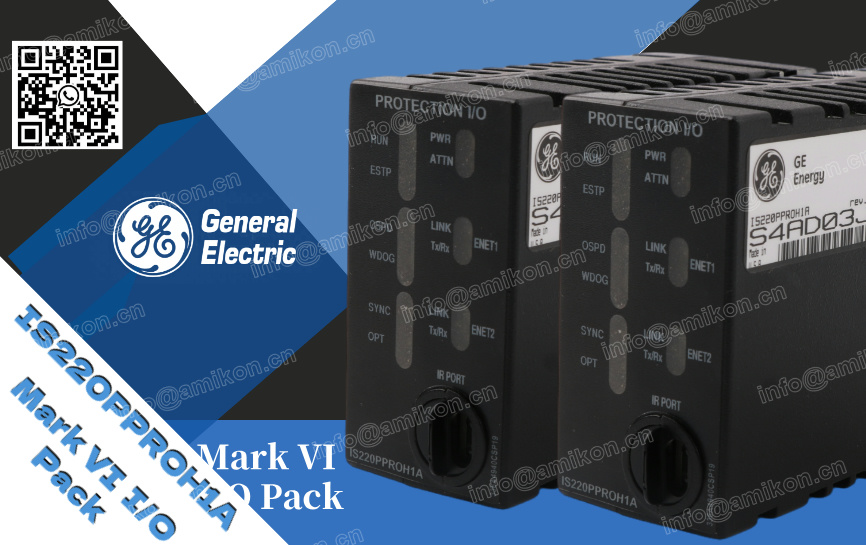
  • Understanding the GE IS220PPROH1A Backup Turbine Protection (PPRO) I/O Pack
    Understanding the GE IS220PPROH1A Backup Turbine Protection (PPRO) I/O Pack
    March 10, 2025

    What is the GE IS220PPROH1A Backup Turbine Protection (PPRO) I/O Pack? The GE IS220PPROH1A is a specialized Backup Turbine Protection (PPRO) I/O pack designed by General Electric (GE) to ensure the safety and reliability of turbine operations. This advanced system provides an independent backup overspeed protection mechanism and serves as a critical component in safeguarding turbines from potential failures. Additionally, it offers a backup check for generator synchronization to a utility bus, ensuring seamless integration with power grids. The IS220PPROH1A is a vital part of modern turbine protection systems, offering redundancy and reliability in demanding industrial environments. Key Features of the IS220PPROH1A PPRO I/O Pack The IS220PPROH1A is packed with features that make it an essential component for turbine protection. Some of its standout features include: Independent Overspeed Protection: Provides a backup system to detect and prevent turbine overspeed, a critical safety measure. Generator Synchronization Check: Ensures proper synchronization of the generator with the utility bus, preventing potential grid disturbances. Watchdog Function: Acts as an independent monitor for the primary control system, enhancing overall system reliability. Triple Modular Redundancy (TMR): Offers high reliability through redundant configurations, minimizing the risk of failure. These features make the IS220PPROH1A a robust solution for turbine protection in power generation facilities. How Does the IS220PPROH1A Work? The IS220PPROH1A operates as part of a larger protection system, typically consisting of three TMR (Triple Modular Redundant) PPRO I/O packs. These packs are mounted on either a simplex protection (SPRO) terminal board or a TMR TPROH#C terminal board. Each terminal board is connected to an emergency trip board via a DC-37 pin cable, ensuring secure and reliable communication. The system is designed to work in conjunction with specific terminal boards, such as: TREG: Gas Turbine Emergency Trip Terminal Board. TREL: Terminal Board for Large Steam Turbine Emergency Trips. TRES: Terminal Board for Small/Medium Steam Turbine Emergency Trips. This configuration ensures that the IS220PPROH1A can effectively monitor and protect turbines across various applications. Applications of the IS220PPROH1A in Power Generation The IS220PPROH1A is widely used in power generation facilities, particularly in environments where turbine reliability is critical. Its applications include: Gas Turbine Protection: Safeguards gas turbines from overspeed and other operational anomalies. Steam Turbine Protection: Provides backup protection for both large and small/medium steam turbines. Grid Synchronization: Ensures generators are properly synchronized with utility grids, preventing disruptions. By offering independent backup protection, the IS220PPROH1A plays a crucial role in maintaining the stability and efficiency of power generation systems. Benefits of Using the IS2...

    Read More
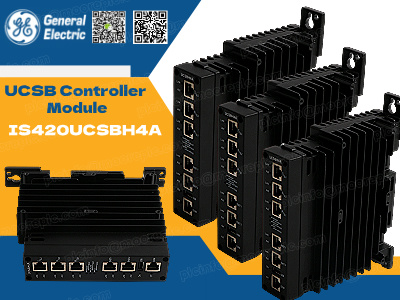
  • Understanding the GE IS420UCSBH4A Controller in the Mark VIe Series
    Understanding the GE IS420UCSBH4A Controller in the Mark VIe Series
    March 06, 2025

    Introduction to the GE IS420UCSBH4A Controller The GE IS420UCSBH4A controller is an essential component in the Mark VIe Turbine Control System Series, designed by General Electric. This particular printed circuit board (PCB) is part of a series developed for managing gas, steam, and wind turbine automated drive assemblies. As one of the final iterations of GE's Speedtronic control system technology, the IS420UCSBH4A holds a key position in turbine control and automation, making it a crucial asset for many industries relying on these systems. Key Features of the IS420UCSBH4A Controller The IS420UCSBH4A controller is characterized by its 1066 MHz EP80579 Intel processor, ensuring high processing capabilities for turbine control operations. It operates in an ambient temperature range of -30°C to +65°C, providing flexibility for various environments. This makes it suitable for use in a wide range of turbine applications, from harsh industrial settings to more controlled environments. One of the standout features of this controller is its flash memory, which can be easily updated based on the user's specific needs. This ensures that the device remains adaptable to future technological upgrades and system requirements. Moreover, its certification for both hazardous and non-hazardous locations, including UL E207685 and UL DEMKO 12 ATEX 1114875X, allows it to be deployed in diverse industries and settings. Comparing the IS420UCSBH4A to Other Mark VIe Controllers While the IS420UCSBH4A is similar to other controllers in the Mark VIe series, such as the UCSC controller, there are notable differences. The primary distinction lies in the hardware; the IS420UCSBH4A is a single-module design, which simplifies installation and maintenance. Despite these hardware differences, both controllers share several advantages, including reliability, ease of use, and adaptability. This controller series, like its counterparts, leverages GE's Speedtronic control system technology, which significantly boosts the demand for these products across the market. This robust technology helps optimize turbine performance, ensuring better control and management. The Importance of the IS420UCSBH4A in Industrial Automation The IS420UCSBH4A's role in industrial automation cannot be overstated. It is a vital component in the smooth and efficient operation of turbine systems. With its ability to integrate into a variety of turbine applications, including those for gas, steam, and wind turbines, it ensures precision control in automated drive systems. Its high-performance features and certifications make it a versatile choice for industries that require reliable and safe turbine control solutions. How the IS420UCSBH4A Meets Safety and Regulatory Standards In terms of safety, the IS420UCSBH4A is designed to meet the rigorous standards necessary for operation in hazardous environments. With certifications from UL and ATEX, this controller can be deployed in challenging settings without comp...

    Read More
1 ... 16 17 18 19 20 ... 32
A total of  32  pages

News & Blogs

  • What Makes Bently Nevada 330930-045-00-05 3300 NSv Extension Cable Essential for Reliable Turbine Monitoring? 13/03

    2026

    What Makes Bently Nevada 330930-045-00-05 3300 NSv Extension Cable Essential for Reliable Turbine Monitoring?
    What Is the Bently Nevada 330930-045-00-05 3300 NSv Extension Cable The Bently Nevada 330930-045-00-05 3300 NSv Extension Cable is a key connection component used in vibration monitoring systems. It links proximity probes to monitoring equipment, allowing accurate transmission of vibration signals from rotating machinery to the monitoring system. For customers operating turbines, compressors, or other high-value rotating assets, maintaining reliable signal transmission is essential for equipment protection. This cable is designed for use within turbine monitoring and condition monitoring environments where precision and reliability are required. As part of the broader ecosystem of TSI spare parts, the extension cable ensures that vibration data collected by probes reaches the monitoring system without signal loss. Stable data transmission is critical for accurate diagnostics and effective predictive maintenance. Why the 4.5-Meter Cable Length Matters for Industrial Installations One of the defining parameters of this model is the 045 cable length option, which equals 4.5 meters (14.8 feet). In many industrial environments, sensors and monitoring racks are not located close together. The additional cable length provides flexibility during installation and allows engineers to route cables safely around turbine housings or protective enclosures. From a customer’s perspective, choosing the correct cable length can prevent installation complications later. When vibration probes are positioned near turbine shafts while monitoring equipment is installed in control cabinets, the 330930 extension cable ensures the connection remains stable. For companies managing complex Turbine Supervisory Instrumentation components, proper cable configuration helps maintain signal integrity and reliable monitoring. How the Non-Armored Cable Option Improves Installation Flexibility The 00 connector and cable option means the cable is supplied without stainless steel armor. This design provides a lighter and more flexible cable structure, making installation easier in environments where mechanical protection is already provided by conduit systems or protected cable trays. For maintenance teams, this flexibility can simplify installation and replacement procedures. When replacing TSI modules or performing routine inspections on turbine monitoring systems, technicians often need cables that are easier to route and handle. The non-armored design allows faster installation while still maintaining the performance required for sensitive monitoring signals. Why Multiple Agency Approvals Matter for Industrial Safety The 05 agency approval option, which represents multiple approvals, is another important feature of the Bently Nevada 330930-045-00-05 cable. Industrial facilities often operate under strict safety and regulatory requirements, especially in sectors such as power generation, oil and gas, and petrochemical processing. For customers operating globally, components with mu...
    All News
  • What Makes the GE IS200DSPXH1DBD DSP Control Board a Game-Changer for Industrial Control? 04/03

    2026

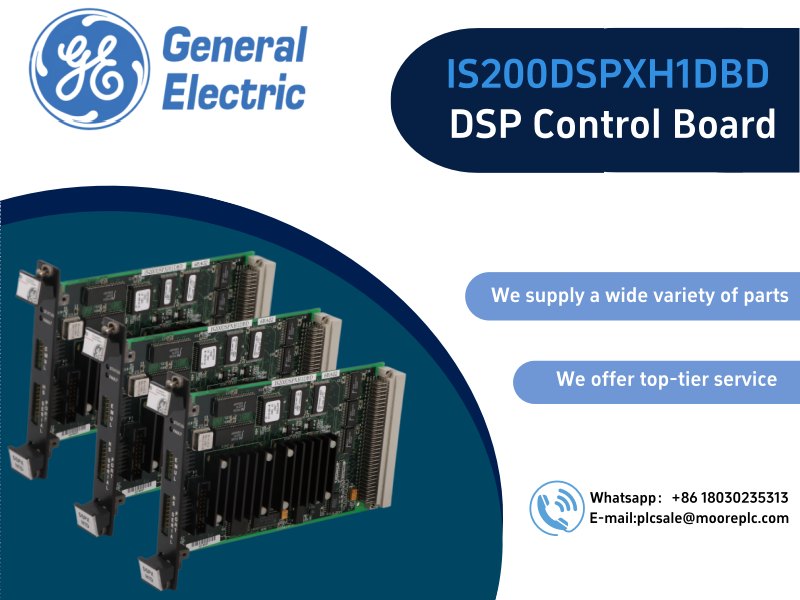
    What Makes the GE IS200DSPXH1DBD DSP Control Board a Game-Changer for Industrial Control?
    The GE IS200DSPXH1DBD DSP Control Board is redefining efficiency and reliability in industrial automation. Designed to deliver precise digital signal processing (DSP) capabilities, it addresses the growing demand for high-performance turbine, generator, and industrial machinery control. Its robust architecture ensures seamless integration with existing control systems, minimizing downtime and enhancing overall operational efficiency. Why Upgrading to the IS200DSPXH1DBD Is Critical for Modern Industrial Operations Industries increasingly face challenges such as aging control hardware, unpredictable system performance, and escalating maintenance costs. The IS200DSPXH1DBD offers a forward-looking solution by providing high-speed processing, advanced fault diagnostics, and reliable real-time control. Upgrading to this control board enables predictive maintenance, reduces unscheduled outages, and improves the longevity of critical assets. Where Can the IS200DSPXH1DBD Deliver Maximum Value? This control board is ideal for high-demand industrial environments, including power generation plants, turbine control systems, and complex manufacturing facilities. Its compatibility with distributed control systems (DCS) and integration with other GE control modules makes it suitable for both retrofit projects and new installations. When Is the Right Time to Implement DSP Control Board Upgrades? Operators should consider upgrades during scheduled maintenance cycles, system modernization initiatives, or when performance monitoring indicates frequent operational deviations. Implementing the IS200DSPXH1DBD proactively ensures uninterrupted production and avoids costly emergency replacements. Which Features Set the IS200DSPXH1DBD Apart from Conventional Control Boards? Key differentiators include: ●High-speed DSP processing for real-time control and monitoring ●Advanced fault diagnostics with event logging ●Wide operating temperature range suitable for harsh environments ●Seamless system compatibility with existing control infrastructure ●Long-term reliability reducing lifecycle costs Who Benefits Most from the IS200DSPXH1DBD? Maintenance engineers, plant operators, and industrial system integrators benefit directly from its enhanced performance and diagnostics capabilities. The board also empowers decision-makers by providing actionable operational data that supports efficiency improvements and risk mitigation. How the IS200DSPXH1DBD Helps You Achieve Operational Excellence By integrating the IS200DSPXH1DBD into your control system, you gain: ●Enhanced precision control for turbines and industrial machinery ●Reduced downtime through predictive maintenance alerts ●Simplified troubleshooting with comprehensive diagnostics ●Increased ROI via improved efficiency and asset longevity In an era where industrial systems demand higher performance and reliability, the GE IS200DSPXH1DBD DSP Control Board provides a comprehensive solution that aligns with modern operational cha...
    All News
  • ABB SD822 Power Module: Reliable and Efficient Industrial Power 27/02

    2026

    ABB SD822 Power Module: Reliable and Efficient Industrial Power
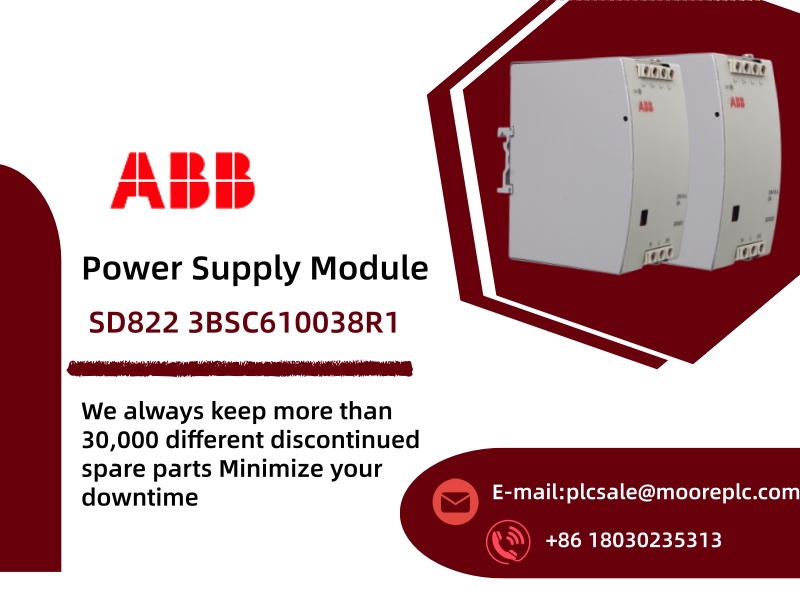
    What Makes the ABB SD822 Power Supply Module a Reliable Choice for Industrial Systems? The ABB SD822 3BSC610038R1 Power Supply Module is engineered to deliver stable, uninterrupted power to industrial control systems, effectively minimizing the risk of unplanned downtime and critical system failures that can lead to substantial production losses. Its robust mechanical and electrical design is built to withstand the harsh conditions of industrial environments—including extreme temperatures, voltage fluctuations, and mechanical vibration—supporting 24/7 continuous operation. This level of durability makes it an ideal power solution for critical infrastructure where reliability is non-negotiable, such as industrial control panels, automation networks, and mission-critical process systems. Why Upgrading to the ABB SD822 Module Improves Operational Efficiency Upgrading to the ABB SD822 module translates to tangible operational efficiency gains, thanks to its advanced voltage regulation technology and comprehensive protection mechanisms. The module’s precision voltage control ensures consistent power delivery to sensitive control components, minimizing energy loss and optimizing the performance of connected systems. Additionally, its built-in protection features reduce the frequency of equipment malfunctions, leading to lower maintenance costs, fewer unexpected operational interruptions, and smoother, more predictable industrial processes. Over time, these benefits translate to improved productivity and a higher return on investment for industrial operations. Where Can the ABB SD822 Module Make the Biggest Impact? The SD822 power supply module excels in power distribution for industrial control centers, process plants, and automated production systems, where uninterrupted power is a prerequisite for safe and efficient operation. It delivers maximum value in high-stakes environments such as chemical processing plants (where power disruptions can cause hazardous material leaks), power generation facilities (critical for grid stability), large-scale manufacturing lines (to avoid costly production halts), and oil & gas refineries (where equipment failure risks operational safety). Its ability to maintain performance in harsh and demanding settings makes it a cornerstone of reliable industrial power infrastructure. When Should You Consider Replacing Your Current Power Supply? Industrial operations should prioritize upgrading to the SD822 module if they experience frequent system resets, inconsistent voltage output, rising maintenance costs, or aging power supply units (typically those older than 5-7 years). Early replacement is a proactive measure to prevent costly unplanned downtime, protect sensitive control equipment from voltage surges or drops, and avoid cascading system failures. Additionally, if your current power supply struggles to meet the increasing power demands of upgraded automation systems, the SD822’s flexible design ensures it can adapt...
    All News
  • Why Choose the ICS Triplex T8461C as Your Critical DCS Digital Output Module? 02/02

    2026

    Why Choose the ICS Triplex T8461C as Your Critical DCS Digital Output Module?
    Why the ICS Triplex T8461C is a Critical DCS Component Maintaining a high-performance Distributed Control System depends on specifying components that guarantee both reliability and precise integration. The ICS Triplex T8461C digital output module meets this need with engineering focused on durability and control accuracy. Partnering with an established DCS module supplier such as ICS Triplex provides access to genuine, high-specification DCS spare parts. Utilizing the T8461C as a primary Distributed Control System replacement part directly supports operational uptime and system resilience in essential industrial applications. Engineered for Stability in Extreme Conditions The operational environment of a DCS can involve significant thermal and humidity fluctuations. The T8461C is designed to perform consistently within a -5°C to 60°C operating range and can withstand non-operational exposure from -25°C to 70°C. Its performance remains unaffected across a 5% to 95% non-condensing humidity spectrum. This environmental toughness makes it a dependable choice for outdoor installations, unregulated industrial spaces, or any setting where control hardware faces physical stress, thereby reducing failure rates and lifecycle costs. Configurable Voltage Supports Diverse Field Devices A key operational advantage of the T8461C is its wide 18V to 60V DC output range. This adjustability allows a single module type to interface with various actuators, solenoids, and other industrial loads. The benefit is a simplified control cabinet design, reduced need for multiple specialty modules, and a more streamlined inventory of critical Distributed Control System replacement parts. This versatility makes it applicable across different stages of a process or within facilities that operate mixed equipment types. High-Fidelity Control Through Signal Isolation For multi-channel digital output modules, preventing cross-talk is essential to maintain command integrity. The T8461C provides superior isolation, with crosstalk suppression exceeding -40dB. This ensures that signals on individual channels do not interfere with each other, a critical feature for complex sequencing, safety interlocking, and precise timing in automated processes. Such signal clarity is indispensable in sectors like pharmaceuticals or energy management, where output accuracy is non-negotiable. A Strategic Source for System Sustainment Choosing a dedicated DCS module supplier is a long-term decision for system health. ICS Triplex manufactures the T8461C to meet rigorous standards for interoperability and endurance, making it a trustworthy DCS spare parts selection. Implementing this module is a proactive measure that extends the service life of your control architecture, safeguards production consistency, and optimizes total cost of ownership. Industry-Specific Implementations The module's robust feature set makes it suitable for critical sectors: Power Generation: Controls turbine auxiliary systems, pu...
    All News
  • Which Automation Spare Parts Are Most Critical for Smart Factory Operations? 11/03

    2026

    Which Automation Spare Parts Are Most Critical for Smart Factory Operations?
    Why Automation Spare Parts Are Critical for Smart Factory Stability Today's manufacturing floors rely on networks of devices working together under tight coordination. A failure in one location can create delays that spread across the entire facility. Keeping selected automation spare parts onsite gives technicians the ability to replace failed units immediately. This approach reduces unplanned stoppages and helps factories maintain the output levels expected by their customers. Which Automation Components Should Be Prioritized in Spare Parts Planning Building an effective spare parts inventory starts with identifying components that appear in critical control paths. Items like programmable controllers, signal interfaces, and power distribution units typically belong in this category. For plants using turbines or large compressors, TSI spare parts are equally essential. These components deliver real-time measurements that operators depend on to evaluate machinery condition and adjust operating parameters. How TSI Spare Parts Support Equipment Monitoring and Safety Large rotating machines require continuous oversight to operate safely over long periods. Turbine Supervisory Instrumentation components track parameters such as shaft displacement, casing vibrations, and rotational speed. When monitoring hardware fails, engineers lose access to this important information. Maintaining spare TSI modules onsite ensures that monitoring capabilities can be restored promptly, allowing operations to continue with full awareness of machine status. Where Businesses Can Source Reliable Automation Spare Parts The best inventory plan loses value if replacement parts cannot be obtained when needed. Many manufacturers face delays because regular distributors do not stock specialized components. Suppliers with expertise in automation spare parts and specific knowledge of Turbine Supervisory Instrumentation components offer a practical solution. These organizations typically maintain broader networks and can locate TSI modules more efficiently than general industrial suppliers. How Smart Spare Parts Management Reduces Downtime Observing patterns in equipment failures provides useful guidance for inventory planning. By examining past repairs, maintenance teams can determine which automation spare parts should be kept available. Including TSI spare parts in this analysis protects monitoring systems from extended downtime when modules fail unexpectedly. This approach moves beyond guesswork and creates a reliable framework for maintaining production continuity. Conclusion Smart factory operations depend on both advanced technology and practical preparation. Maintaining a thoughtful selection of automation spare parts, particularly TSI modules for critical machinery monitoring, gives facilities the ability to respond quickly when problems arise and keep production moving forward. Hot Recommendations IC693CHS398 330180-91-05 MGC600-CPU HIEE300867R0001 PPB022 DE 330130-040-0...
    All Blogs
  • How ABB Automation Ensures Reliability, Safety, and Seamless Modernization? 04/03

    2026

    How ABB Automation Ensures Reliability, Safety, and Seamless Modernization?
    Ensuring Continuous Industrial Reliability ABB’s automation solutions deliver dependable performance for high-stakes industrial operations. Their robust design and real-time monitoring capabilities ensure that critical processes continue without interruption, even under extreme load or environmental conditions. Customers benefit from reduced unplanned downtime, enhanced process stability, and greater confidence in meeting operational targets. The system’s built-in diagnostics also help teams quickly identify and resolve potential issues before they escalate into costly failures. Seamless Upgrades for Aging Automation Systems Aging automation infrastructure is a common concern for many industrial facilities. ABB addresses this by providing long-term support and seamless integration with legacy equipment, allowing plants to upgrade control modules without needing a full system replacement. Certified ABB spare parts and backward-compatible modules ensure older systems remain fully operational, extend their lifecycle, and reduce capital expenditure. Customers gain a safer, cost-effective path to modernization without compromising system reliability. Intelligent Redundancy to Prevent Production Interruptions Unexpected production stoppages can have significant financial and operational impacts. ABB’s automation platforms feature advanced redundancy and fault-tolerant designs, enabling continued operation during maintenance, component replacement, or partial system failures. By maintaining uninterrupted workflows, these systems minimize operational risk, reduce recovery time, and provide plant operators with peace of mind that critical processes remain stable. Simplifying Spare Parts and Maintenance Planning Managing automation spare parts, especially for older or discontinued systems, can be complex and time-consuming. ABB simplifies this process with certified, ready-to-install modules that maintain performance consistency and compliance with safety standards. Customers experience predictable maintenance cycles, reduced emergency orders, and streamlined inventory management, ensuring that both routine operations and emergency interventions can be executed efficiently. Phased Modernization Without Operational Disruption Many industrial facilities prefer incremental upgrades rather than complete system overhauls to maintain continuous operations. ABB supports phased modernization, allowing individual automation controllers and modules to be upgraded independently. This approach enables facilities to adopt new technology at a controlled pace, enhance process safety and efficiency, and integrate advanced analytics or IoT capabilities, all without halting production or disrupting workflow. Key Industries Leveraging ABB Automation ABB’s industrial automation solutions are trusted across sectors where uptime, precision, and safety are critical. Key industries include: ●Oil & Gas: Upstream, midstream, and downstream operations requiring high availability...
    All Blogs
  • Schneider Electric’s AI Journey: From Lighthouse Factory to Industry Impact 27/02

    2026

    Schneider Electric’s AI Journey: From Lighthouse Factory to Industry Impact
    What is Schneider Electric's "Technology+Scenario" AI Dual Wheel Path? Schneider Electric is promoting the widespread application of artificial intelligence (AI) technology in industrial manufacturing, energy management, and operational scenarios, using "technological innovation+industry scenario implementation" as the dual engine to accelerate the digital transformation of physical industries. The company builds AI solutions through technology research and development, ecological collaboration, and practical scenarios, which not only improve efficiency, reliability, and sustainability, but also create practical value for customers. Schneider Electric's AI strategy not only focuses on algorithm research and development, but also emphasizes deep integration with industrial applications to form replicable industry solutions, allowing customers to quickly understand the actual value of technology implementation.   Why - Why adopt the "technology+scenario" path? In industrial enterprises, the introduction of AI can help companies deal with the complexity and uncertainty of the production process, such as predictive maintenance, energy efficiency optimization, and quality control issues. General AI models are often difficult to directly meet industry needs, so Schneider Electric adopts a "technology+scenario" strategy, closely integrating AI capabilities with specific business scenarios to truly improve production efficiency, reduce energy consumption, and achieve sustainable development, providing customers with practical and feasible solutions while reducing the maintenance pressure of traditional systems.   Where - What key industry scenarios does AI technology cover? Schneider Electric's AI implementation covers intelligent manufacturing, energy management, data center and building management, as well as supply chain and research and development processes. In the context of intelligent manufacturing, AI drives predictive maintenance and production process optimization to improve production line efficiency and equipment reliability. In the field of energy management, machine learning models optimize energy consumption, reduce energy waste, and improve overall system efficiency. In data centers and building management, AI technology optimizes intelligent cooling and power scheduling, simultaneously improving efficiency and sustainability. In the supply chain and research and development stages, AI algorithms are used to optimize design processes and scheduling strategies, improve overall operational efficiency and response speed, and enable customers to achieve quantifiable benefits in each stage.   When - What stage has Schneider Electric's AI landing entered? In recent years, Schneider Electric's AI strategy has entered the stage of scale implementation from the exploration pilot phase. At the recent World Artificial Intelligence Conference (WAIC 2025), the company showcased multiple AI achievements, including smart factory practice...
    All Blogs
  • How HIMA is Integrating AI to Enhance Industrial Safety Systems 04/02

    2026

    How HIMA is Integrating AI to Enhance Industrial Safety Systems
    How AI Enhances Predictive Maintenance Integrating artificial intelligence into safety systems offers significant predictive maintenance benefits. By evaluating real-time sensor and controller information, HIMA’s AI technology can detect early indicators of equipment deterioration or possible malfunctions. This foresight enables maintenance teams to schedule replacements for critical DCS modules ahead of time, avoiding unplanned breakdowns. Such a strategy decreases urgent repairs and limits operational halts. A dependable DCS module supplier plays a vital role by ensuring that necessary Distributed Control System replacement parts are in stock whenever AI forecasts a need, connecting predictive analytics with seamless part procurement. Improving Real-Time Decision Making In high-risk industrial settings, making fast and accurate decisions is crucial. HIMA’s AI continuously scans operational data, offering clear and timely warnings about abnormal situations. This allows personnel to act swiftly, containing potential hazards before they develop into major incidents. Quick access to DCS spare parts further supports this responsiveness, as any compromised components can be exchanged without delay, keeping safety systems fully functional and reducing downtime. Optimizing Operations With AI-Driven Safety Solutions Beyond reinforcing protection, AI helps streamline overall plant performance. HIMA’s solutions observe process variations, track regulatory adherence, and suggest operational refinements. As a result, facilities can boost output while upholding strict safety protocols. Maintaining a relationship with a reliable DCS module supplier ensures that DCS spare parts are available when AI-based monitoring identifies a requirement, allowing prompt maintenance and sustained productivity. Enhancing Long-Term Cost Savings AI-enhanced safety systems contribute to considerable financial savings over time. They lower unexpected stoppages, reduce costly emergency fixes, and prolong the service life of important machinery. Moreover, constant AI surveillance aids in meeting industry safety standards, safeguarding both workers and infrastructure. Partnering with a trusted DCS module supplier guarantees that Distributed Control System replacement parts are easily obtainable, supporting continuous, safe, and cost-effective production while improving return on investment. Conclusion HIMA’s adoption of AI provides clients with strengthened predictive upkeep, instant decision aids, process improvement, and economic advantages. When paired with consistent access to DCS spare parts and Distributed Control System replacement parts via a reputable DCS module supplier, these innovations assist industries in running safer, more efficient, and uninterrupted operations. Hot Recommendations 3500/42M 140734-02 133323-01 1763-L16BWA 149992-01 3500/15 106M1079-01 1756-L84E 3500/05-01-02-00-00-00 ADV551-P10 S2 330101-00-11-10-02-00 NPBU-42C 64011821D AAI841-H00 S2 DSDI120AV1 3B...
    All Blogs
leave a message
If you are interested in our products and want to know more details,please leave a message here,we will reply you as soon as we can.
submit

Our hours

Mon 11/21 - Wed 11/23: 9 AM - 8 PM
Thu 11/24: closed - Happy Thanksgiving!
Fri 11/25: 8 AM - 10 PM
Sat 11/26 - Sun 11/27: 10 AM - 9 PM
(all hours are Eastern Time)
Contact Us:+86 18020776786

Home

Products

whatsApp

Contact Us